
Understanding Israel’s Place in 21st Century American Jewish Life
The Stuart & Suzanne Grant Center for the American Jewish Experience at Tulane University is launching a replicable, high-impact format that pairs nonadvocacy academic rigor with public understanding in a framework that accelerates scholarship on timely topics. These Special Topics Research Initiatives will position the Grant Center as a trusted setting for rigorous scholarship that informs public understanding of consequential issues in American Jewish life.

The inaugural Special Topics Research Initiative will address one of the defining questions facing contemporary Jewish life: how do American Jews understand their relationship to Israel in the 21st century? It will examine how that relationship has been understood historically, how it has changed, why inherited frameworks no longer fully capture the present moment, and what shared vocabulary can help Jewish institutions and broader audiences understand it more clearly.
Scope of the Research Initiative
The focus
How American Jews understand their relationship to Israel in the 21st century.
What it’s not
U.S.–Israel relations, foreign policy, Israeli policy, or institutional advocacy.
The Research Initiative’s purpose is to bring together an intellectually and politically varied set of thinkers — respected both individually and because of the range of perspectives they bring to the group — in order to better understand one of the key aspects of contemporary American Jewish life.

Why This Matters
For decades, the relationship between American Jews and Israel was guided by the 1950 Ben-Gurion–Blaustein agreement, which established a framework of mutual respect and non-interference between Israel and the American Jewish community. Today, that framework no longer fully captures the realities of American Jewish life and its connections to Israel.
With nearly 90% of world Jewry now concentrated in the United States and Israel, the relationship has been transformed by political polarization, evolving philanthropic priorities, and dense transnational connections. In the absence of a shared framework, organizations, leaders, and everyday individuals are increasingly forced to navigate these tensions through improvised assumptions rather than shared understanding.
The result is not simply disagreement about Israel, but uncertainty over the basic terms through which American Jews and Jewish institutions understand their relationship to Israel.
The Research Initiative’s Goal
Rather than attempting to impose a new consensus, the Research Initiative seeks to build the intellectual foundation and shared vocabulary necessary for informed conversation across disagreement.
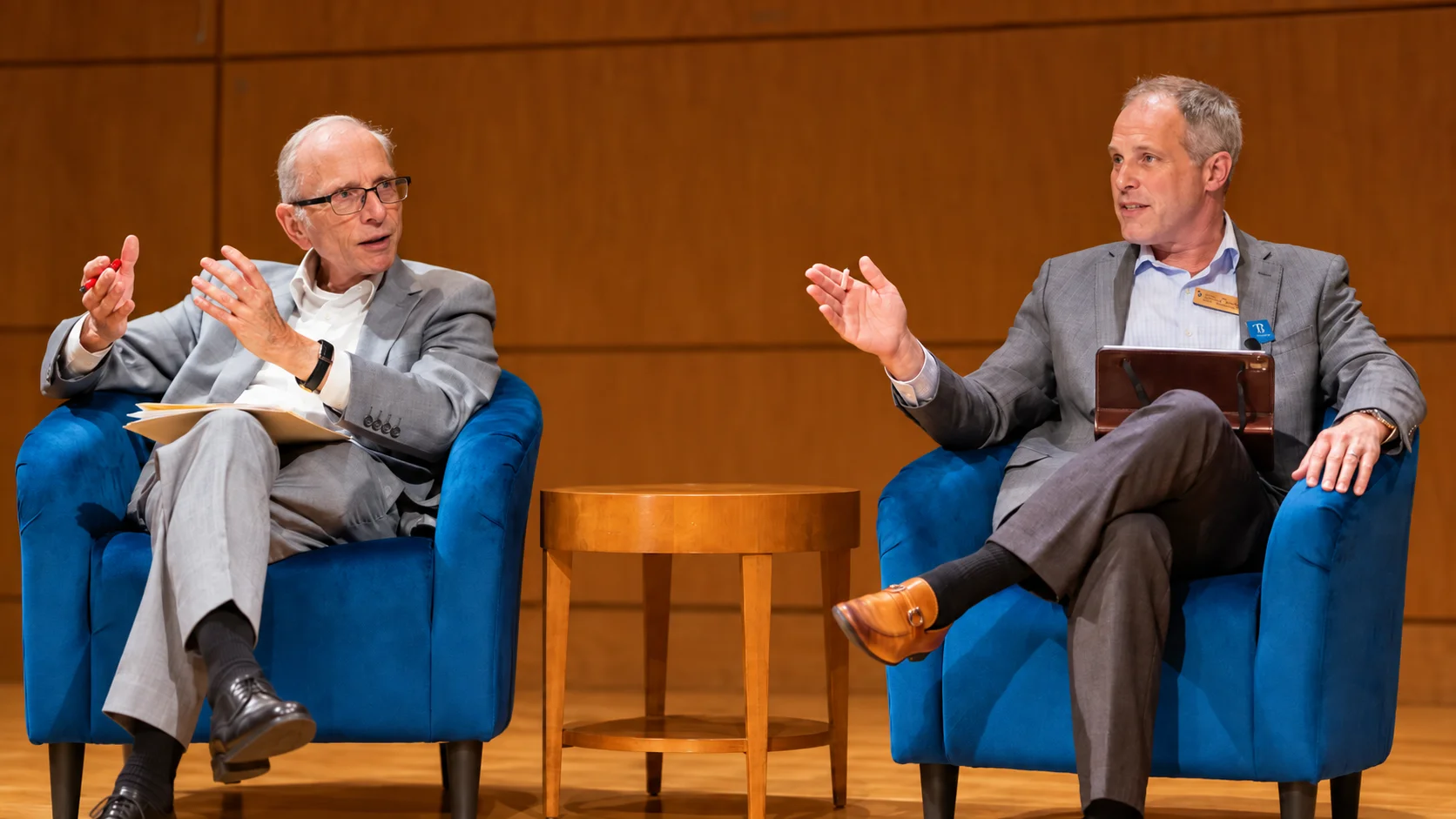
Convened in a neutral academic setting at Tulane University, the initiative brings together leading scholars, public intellectuals, and communal leaders to study the changing relationship between American Jews and Israel and develop rigorous, research-based tools for public understanding.
Why Here, Why Now
At a moment when conversations about Israel and Jewish public life are increasingly polarized, the Stuart & Suzanne Grant Center for the American Jewish Experience offers something increasingly rare: a rigorous academic setting grounded in inquiry rather than advocacy. That setting is essential: the research initiative depends on an environment where contested questions about American Jews and Israel can be studied carefully, across disagreement, without becoming advocacy or institutional position-taking.
This is what academia can do in ways that think tanks, federations, and advocacy organizations cannot: create the conditions for disciplined, evidence-based inquiry capable of producing frameworks durable enough to outlast the current moment. The Research Initiative reflects the Center’s broader mission of bringing together scholars, practitioners, and public voices across disciplines and disagreements to produce research that shapes both intellectual and public discourse.
What Makes This Research Initiative Different
01
Shared Inquiry Across Disagreement
Participants are selected for intellectual rigor and credibility rather than ideological alignment, including scholars, public leaders, and former officials from both Democratic and Republican administrations. The Research Initiative is designed to include disagreement within a structured research process, not as advocacy or public debate.
02
Shared Texts, Not Talking Points
The Research Initiative is structured as a research process rooted in historical documents, scholarly inquiry, and carefully moderated discussion — not performative debate.
03
From Insight to Public Impact
The initiative will translate scholarship into accessible public-facing materials, including media content, podcasts, and interpretive tools for communal institutions.
Research Initiative Leadership & Participants
Research Initiative Co-Chairs
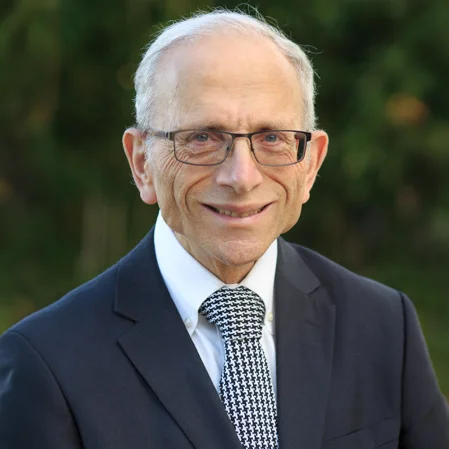
Jonathan D. Sarna
University Professor Emeritus, Brandeis University

Dr. Michael R. Cohen
Executive Director, Stuart & Suzanne Grant Center for the American Jewish Experience, Tulane University
Research Initiative Members

Dr. David Barak-Gorodetsky
Director, Ruderman Program for American Jewish Studies, University of Haifa

Dr. Mijal Bitton
Dean, Maimonides Jewish Leadership Institute at the Maimonides Fund; sociologist, scholar of Sephardic and Mizrahi Jews, and spiritual leader

Dr. Susannah Heschel
Eli M. Black Distinguished Professor of Jewish Studies, Dartmouth College
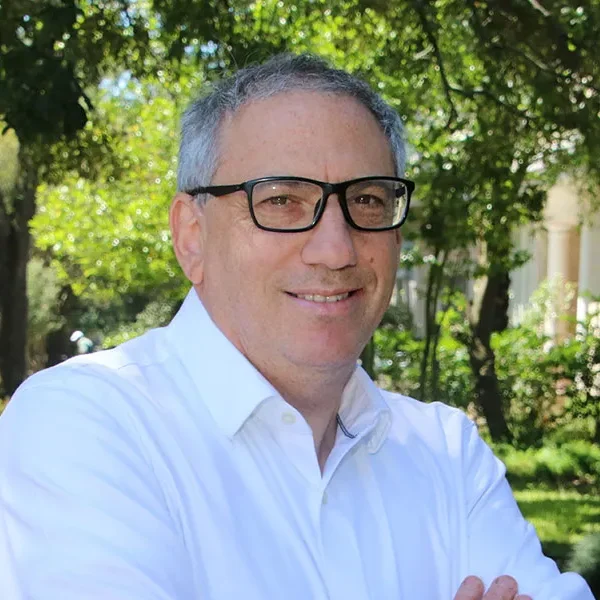
Dr. Brian Horowitz
Sizeler Professor of Jewish Studies, Tulane University

Dr. Ilana Horwitz
Fields-Rayant Professor of Contemporary Jewish Life, Tulane University

The Hon. Jack Lew
Former U.S. Secretary of the Treasury; Former U.S. Ambassador to Israel; Professor of International and Public Affairs, Columbia University

Dr. Ted Sasson
Curt and Else Silberman Professor of Jewish Studies, Middlebury College; Senior Fellow, Institute for National Security Studies (INSS) at Tel Aviv University
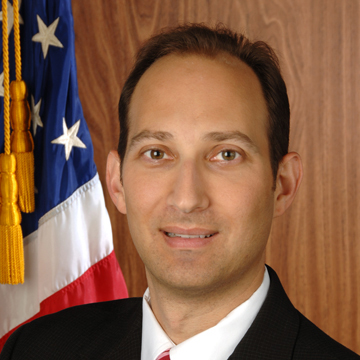
Dr. Tevi Troy
Senior Fellow, Ronald Reagan Institute; former White House liaison to the Jewish community

Dr. Jason A. Silverman
Postdoctoral Fellow, Stuart & Suzanne Grant Center for the American Jewish Experience
Expected Outcomes
The Research Initiative will produce:
01
A landmark report on the intellectual foundations of the relationship between American Jews and Israel
02
Research-based interpretive tools and translational materials for Jewish communal institutions
03
Public-facing media series and conversations designed to broaden public understanding across diverse audiences while maintaining the Research Initiative’s non-advocacy purpose
Ultimately, the initiative aims to provide a trusted and durable intellectual foundation for navigating one of the most consequential and contested dimensions of modern Jewish life.
